
Heat. Be prepared.
One hot day on Musterstraße, from half past six in the morning to ten at night. For each time of day you will find what you can do: for yourself, for children and for older people near you.
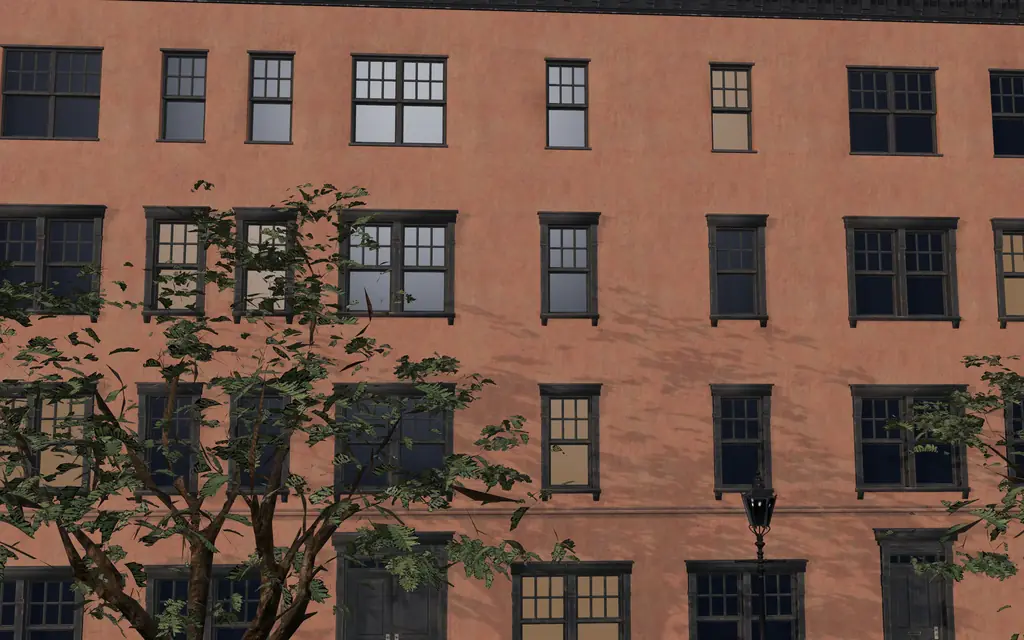
Air the rooms now
Shortly after sunrise it is coolest outside. Open as many windows as you can at the same time. Cross ventilation brings fresh air into every room quickly.
As soon as it is warmer outside than inside, airing no longer helps. Then close the windows.
In the morning, check whether the German Weather Service has issued a heat warning for your district. You will find the current heat warning further down this page.
Source: Bundesinstitut für Öffentliche Gesundheit (BIÖG), „Empfehlungen bei Hitze: alle wichtigen Tipps“ (in German)
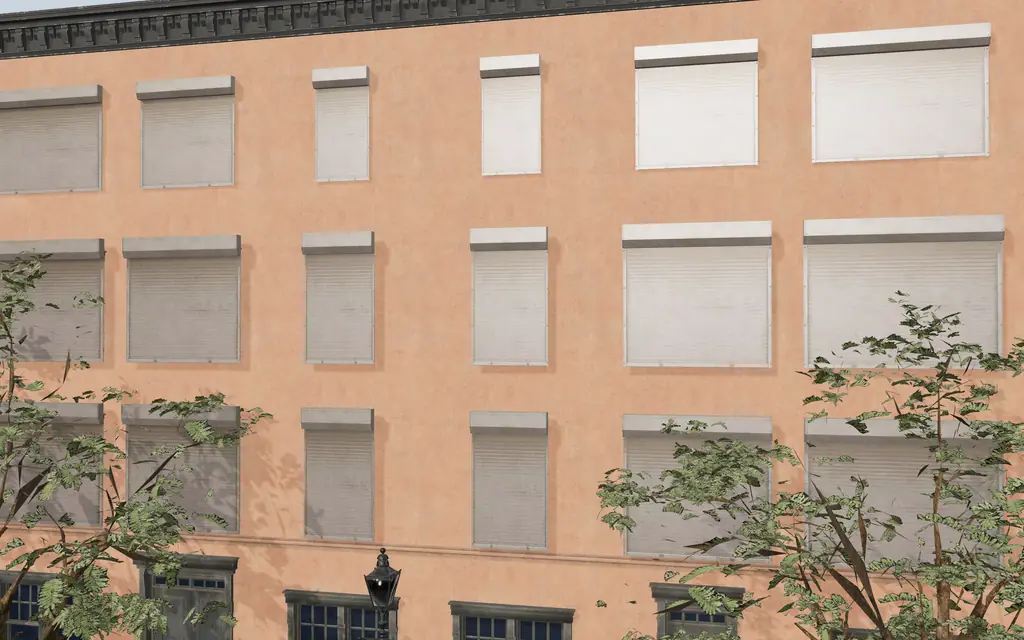
Keep the sun out
Keep the windows closed during the day and shade the windows the sun shines on. Shading on the outside works best: roller shutters, window shutters or external blinds. Light-coloured materials reflect a lot of sunlight.
Where that is not possible, use roller blinds or blinds inside. On a balcony or terrace, awnings, sun sails or parasols create shade.
Source: Bundesinstitut für Öffentliche Gesundheit (BIÖG), „Empfehlungen bei Hitze: alle wichtigen Tipps“ (in German)
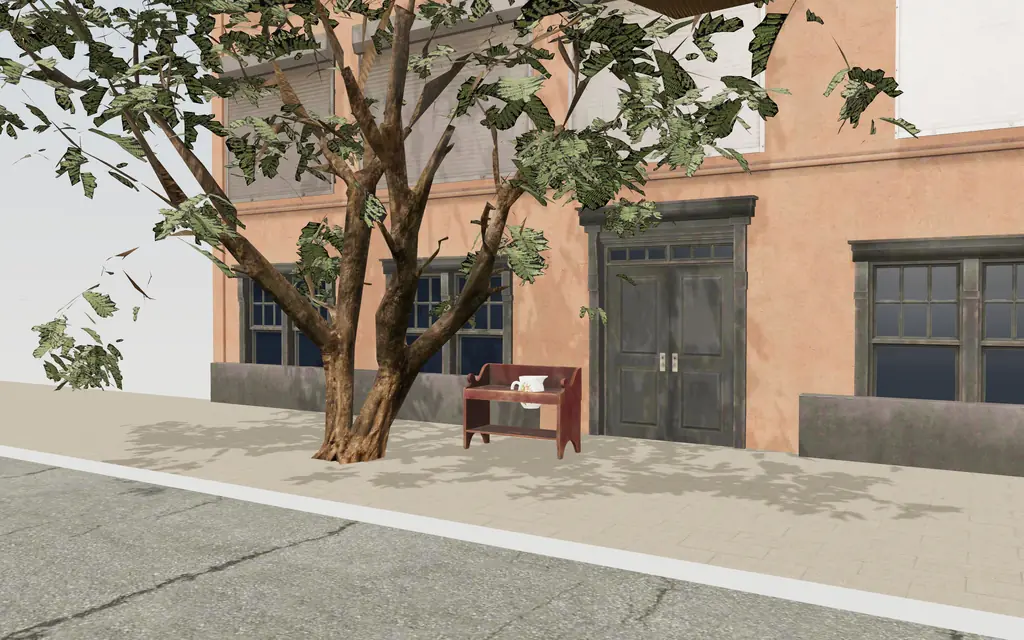
Stay in the shade
UV radiation is strongest between 11 am and 3 pm. Stay in the shade as much as you can, ideally under trees: they give shade and cool the air. Large areas of asphalt or concrete store heat, so avoid them.
Even in the shade, about half of the UV radiation still reaches you. Use sunscreen with a sun protection factor of 30 or higher, a hat and sunglasses.
Sources: Bundesinstitut für Öffentliche Gesundheit (BIÖG), „Empfehlungen bei Hitze: alle wichtigen Tipps“ (in German) ; Bundesinstitut für Öffentliche Gesundheit (BIÖG), „Hitzeschutz für Beschäftigte“ (in German) ; Bundesinstitut für Öffentliche Gesundheit (BIÖG), „Hitzeschutz für Babys und Kinder“ (in German)
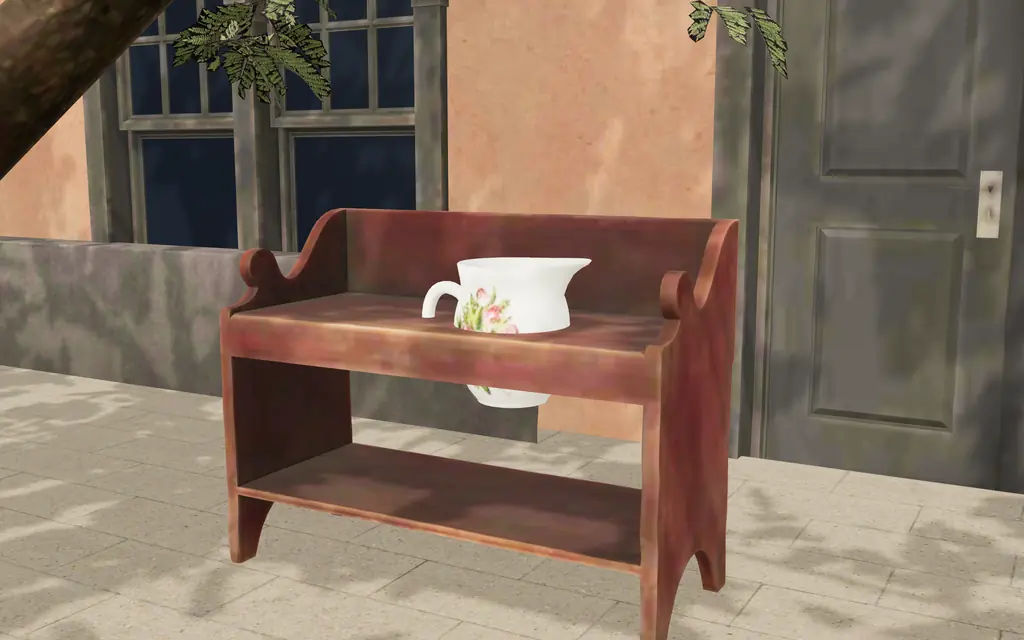
Drink before you feel thirsty
In hot weather you need about two to three litres spread over the day. Drink a glass about every hour, even if you are not thirsty. Thirst only sets in once your body has already lost a lot of fluid.
Water, unsweetened tea and juice spritzer of one part juice to three parts water are good choices. Alcohol and a lot of coffee strain the circulation. If you have a heart or kidney condition, agree the amount you drink with your doctor.
Sources: Bundesinstitut für Öffentliche Gesundheit (BIÖG), „Empfehlungen bei Hitze: alle wichtigen Tipps“ (in German) ; Bundesinstitut für Öffentliche Gesundheit (BIÖG), „Hitzeschutz für Menschen ab 65 und Angehörige“ (in German) ; Bundesinstitut für Öffentliche Gesundheit (BIÖG), „Hitzeschutz für Babys und Kinder“ (in German)

The hottest hour
It is not hottest at midday but in the late afternoon, between 5 and 6 pm. The heated ground releases its warmth into the air only gradually.
Indoors, aim for less than 26 °C during the day and less than 20 °C at night. At 32 °C during the day or 24 °C at night at the latest, you need to cool actively or go somewhere cooler.
A fan helps up to about 35 °C; above that it can even add to overheating. Stay in the coolest room. If your home has become very hot, spend two to three hours a day somewhere cool, for example a library, a church or an air-conditioned shopping centre.
Sources: Bundesinstitut für Öffentliche Gesundheit (BIÖG), „Empfehlungen bei Hitze: alle wichtigen Tipps“ (in German) ; Bundesinstitut für Öffentliche Gesundheit (BIÖG), „Hitzeschutz für Babys und Kinder“ (in German)
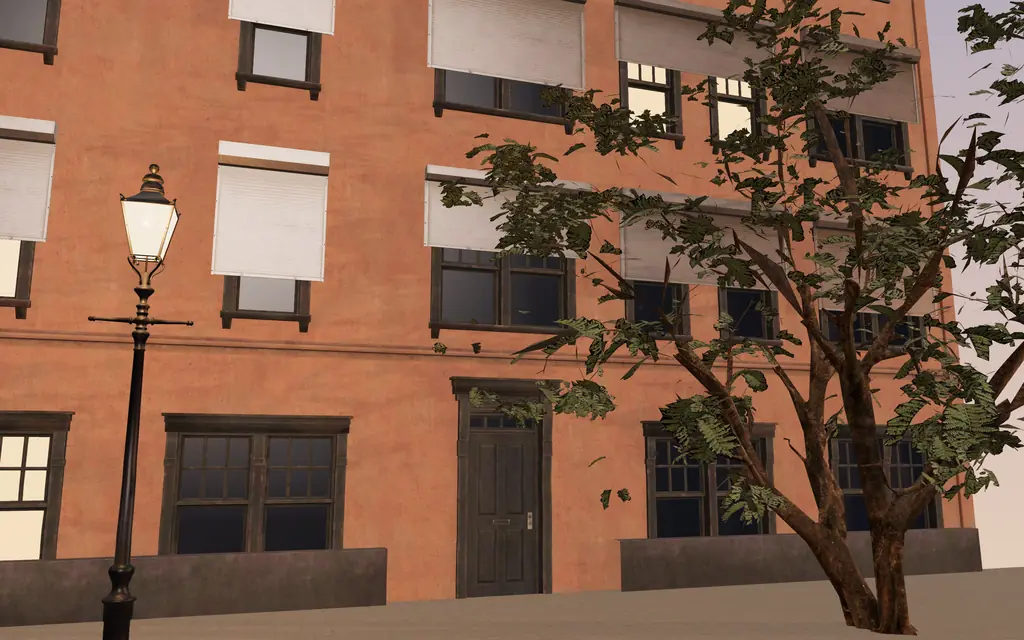
Knock next door
People aged 65 and over are at particular risk in hot weather. They sweat less and feel thirsty less often. The very old, from about 75, are affected most. Pay special attention to older people who live alone and have trouble getting about.
Get in touch with older, ill or isolated people at least once a day. Ask how much they have drunk and how warm it is in their home.
Source: Bundesinstitut für Öffentliche Gesundheit (BIÖG), „Empfehlungen bei Hitze: alle wichtigen Tipps“ (in German)
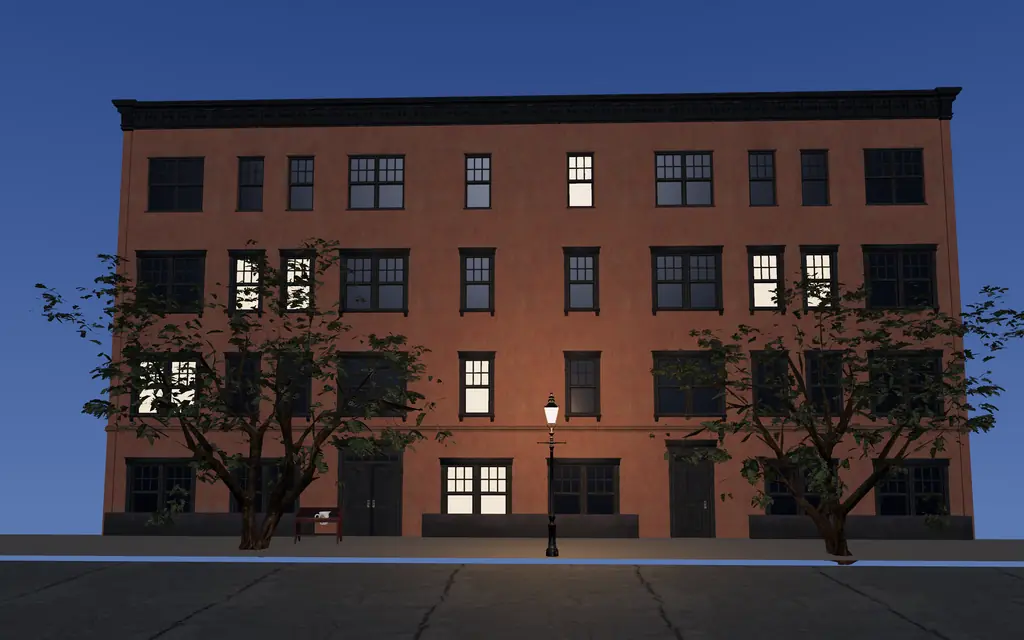
The night cools down
Now it is cooler outside than inside. Open the windows and air the rooms overnight until the morning. Sleep in the coolest room, with light bedding or just a cotton sheet.
The German Weather Service issues heat warnings when strong heat stress is forecast and homes no longer cool down enough at night. People who sleep badly cope worse with the heat the next day.
Sources: Bundesinstitut für Öffentliche Gesundheit (BIÖG), „Empfehlungen bei Hitze: alle wichtigen Tipps“ (in German) ; Deutscher Wetterdienst (DWD), „Hitzewarnungen“ (in German)
Take warning signs seriously
Dizziness, weakness, strong thirst or headache can be first signs. Go somewhere cooler straight away, rest and drink water, cool but not ice-cold. Get medical help if things do not improve after an hour of rest and cooling.
Emergency number in case of danger to life
- Clouded consciousness, unconsciousness, circulatory collapse or severe shortness of breath can be signs of life-threatening heatstroke. Call 112 immediately.
- Until help arrives: move the person into the shade or somewhere cooler. Loosen tight clothing. Cool the head, neck, hands and legs with damp cloths, cool but not ice-cold.
- In children, a raised body temperature with hot, red skin that does not sweat and a severe headache is an emergency. Call 112.
Sources: Bundesinstitut für Öffentliche Gesundheit (BIÖG), „Empfehlungen bei Hitze: alle wichtigen Tipps“ (in German) ; Bundesinstitut für Öffentliche Gesundheit (BIÖG), „Hitzeschutz für Beschäftigte“ (in German) ; Bundesinstitut für Öffentliche Gesundheit (BIÖG), „Hitzeschutz für Babys und Kinder“ (in German)
Heat warning for your district
Enter your district (Landkreis) or independent city. You will then see the current heat warnings from the German Weather Service (DWD).
The German Weather Service warns at two levels: strong heat stress, when the perceived temperature in the early afternoon is above about 32 °C and the night brings little cooling, and extreme heat stress from a perceived temperature of 38 °C.
Only the warnings of the German Weather Service on dwd.de/warnungen and in the WarnWetter app are binding.
Our server collects the warnings from the German Weather Service every 30 minutes. Your browser only contacts our server, not the DWD.
Suggestions while typing need JavaScript. Without JavaScript, send the name and the page will look for the matching district.
dwd.de/warnungen
Source: Deutscher Wetterdienst, licence CC BY 4.0
Source: Deutscher Wetterdienst (DWD), „Hitzewarnungen“ (in German)
Am I prepared?
Ten questions, one minute. At the end you will see where you are already well prepared and which tips can still help you.
Your answers stay in your browser. Nothing is stored or sent.
Without JavaScript the page shows the matching tip directly under each question.
Your result
These tips will help you
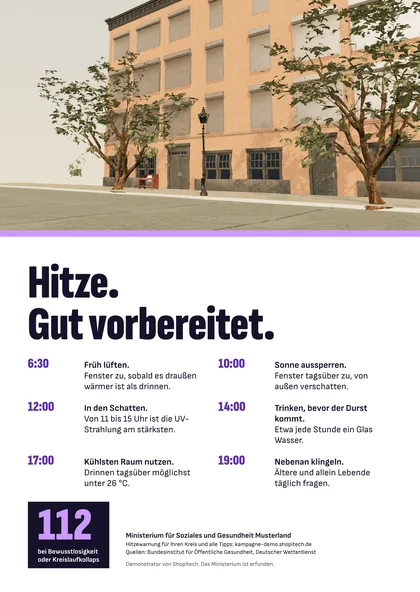
Poster and social media images
The poster comes in A2 and A4 as a print PDF with 3 mm bleed, plus three images for social media. Everything is made from the same template as this website.